For a long time, Europe’s relationship with energy security and transition was a trade-off. The continent often spoke of two avenues: de-carbonization or affordable and reliable energy. In its current shape it has to pick one.
2026 proved this indecision was coming to knock on the door.
When the US-Israeli strikes on Iran led to the closure of the Strait of Hormuz, roughly a quarter of global oil flows and a fifth of LNG shipments were suddenly in question. Within days, oil prices surged more than 30% and gas benchmarks in Europe nearly doubled. Europe being so far away still got hit.
Europe cut its dependence on Russian gas by 75% since 2022 but still imported 36 billion cubic meters of it last year. In this case Europe’s vulnerability was never relying on one supplier. It’s the structural exposure of imported fuel that Europe has shown to have little control over.
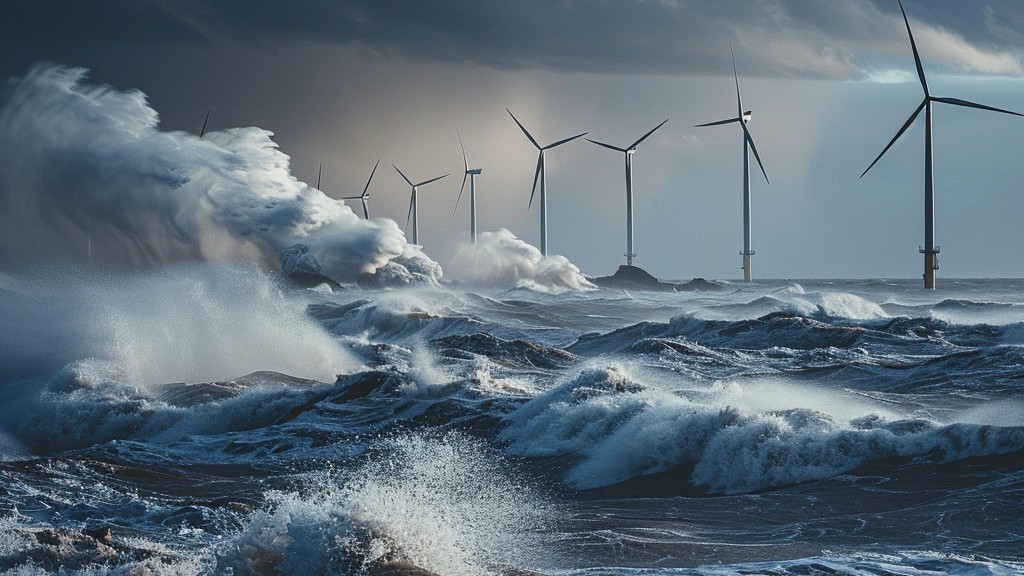
This situation presents a new opportunity, as the transition to renewables not only considers cost but also security strategy. The framing of this is simple, the fastest route to energy security is the fastest route to independence from fossil fuel imports. Electricity generated at home can’t be embargoed or blockaded in a strait.
The problem however, lies in delivery. Permits for high-voltage grid reinforcement can take up to ten years. With EU electricity demand projected to rise 60% by 2030 while grid expansion lags both domestically and across borders, cost-benefits mathematics leads governments to block projects that mainly help their neighbors. In a survey of 1,000 German industrial firms, 56% considered their business model at risk under the current framework.
Countries that treat security and sustainability as one problem will leave this decade with a genuine strategic advantage. The ones still trading them off against each other will keep paying for both.